Relaxation massage offers a soothing escape from the pressures of daily life. Whether you’re preparing for your first full-body massage or simply curious about what goes into a session, this guide will explain relaxation massage, what to expect before your massage begins, the sensations you may feel during the session, and how to care for your body afterwards.
This way, you will feel confident and comfortable stepping into your first (or next) massage experience.
What Is Relaxation Massage?
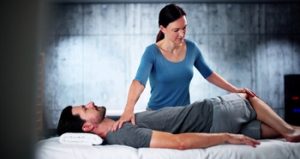
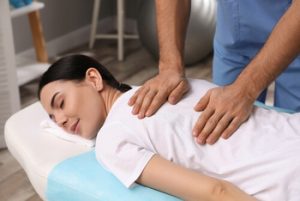
Relaxation massage, often referred to as Swedish massage, is a therapeutic massage technique designed to promote relaxation and improve overall well-being. It involves gentle strokes, light to moderate pressure, and flowing movements to encourage blood flow and relieve tension throughout the entire body.
How It Differs From Deep Tissue And Remedial Massage
Unlike deep tissue massage and remedial massage sessions, which target deeper muscle layers and are typically used to relieve pain or treat specific injuries, relaxation massage therapy focuses more on calming the nervous system and supporting physical and mental relaxation.
How To Prepare For Your Session
Preparing for your relaxation massage helps you make the most of your experience. Whether it’s your first time or part of your ongoing self-care routine, a few thoughtful steps can help you feel calm, comfortable, and confident.
1. Booking Your Massage Appointment
The first step is finding the right massage therapist. Look for a qualified professional with experience in relaxation massage techniques. If you have specific health conditions, discuss these at the time of booking.
2. Communicating Your Needs
Let your therapist know if you have any areas you’d like them to focus on, such as your back, neck, and shoulders. Don’t hesitate to share your goals, whether it’s to reduce stress, relieve chronic muscle tension, or simply unwind.
3. Choosing Your Outfit
Wear comfortable clothing to your massage session. You’ll be asked to undress to your level of comfort. Most clients choose to remove outer garments, and towels will be used to cover all areas except the one being worked on.
4. Staying Hydrated
There’s no need to bring anything special. However, staying hydrated beforehand is key to supporting blood flow and muscle recovery.
5. Eating Light Beforehand
Try not to eat a heavy meal before your massage. A light snack or meal a few hours ahead is ideal so you feel comfortable throughout the session.
6. Arriving At The Massage Room
Arrive 10–15 minutes early to settle in, use the restroom, and complete the necessary forms. This allows you to breathe deeply and transition into a relaxed mindset.
What To Expect During The Session
Stepping into a relaxation massage session is a chance to completely unwind physically, mentally, and emotionally. From the moment you enter the massage room to the final gentle stretch, each part of the experience is designed to support deep relaxation and a sense of overall well-being.
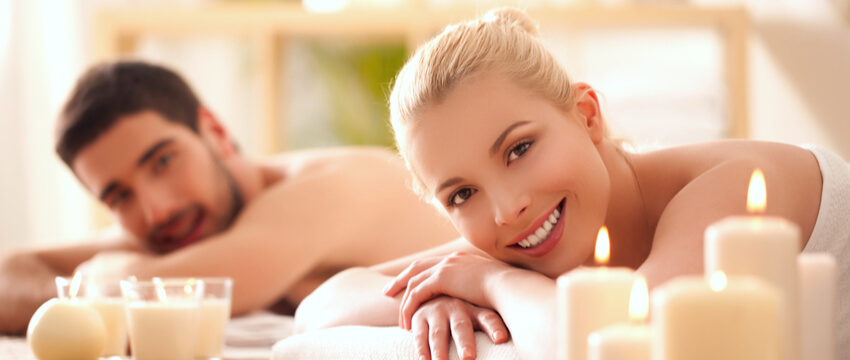
Once you enter the massage room, expect a warm, inviting atmosphere. The lighting will be soft, the table padded, and soothing music will often play to help calm your mind.
2. The Massage Table
You’ll lie on a custom-designed massage table with face cradles and pillows to support your comfort. Towels and massage oil are used throughout the session.
3. The Massage Therapist
Your massage therapist is there to support your comfort. They’ll ask how you’re feeling and whether the pressure is right. They’ll adjust their massage techniques to suit your preferences and comfort.
4. Relaxation Massage Techniques
Your therapist may use:
Long, flowing strokes that promote a sense of ease
Gentle kneading to address areas of tightness
Rhythmic circular motions to increase circulation
Passive joint movements to support mobility and range of motion
Relaxation massage typically involves the entire body, including:
Back, neck, and shoulders
Arms and hands
Legs and feet
The scalp and face (if requested)
You may also request that the massage therapist focus only on your comfortable area.
6. Breathing And Relaxation
You’ll be encouraged to breathe deeply and let go of tension. The aim is to enter a state of deep relaxation where both your mind and body can rest.
7. Communication Is Key
Always feel free to speak up. Whether the room feels too warm, the pressure is too light, or you’d like more focus on a particular area, your therapist will be happy to adjust.
8. Emotional Benefits
Relaxation massage supports more than just the physical body. As your muscles soften and your breath slows, many feel emotionally lighter. A massage session can help reduce stress and anxiety, offering a break from mental fatigue.
It also contributes to a greater sense of emotional well-being, especially when incorporated regularly into one’s self-care routine.
What Happens After Your Session
The benefits of a relaxing massage don’t end when the session does. In fact, the moments and hours that follow are just as important to your overall experience.
How you care for yourself after the massage can influence how deeply your body absorbs the therapeutic effects of the session. Here’s what to expect and how to make the most of it.
1. Taking Time To Reawaken
After your relaxation massage session, take your time getting up. You may feel drowsy or light-headed, which is perfectly normal.
2. Hydrate
Drink plenty of water to support detoxification and maintain hydration. This helps reduce muscle tension and supports your body’s natural healing.
3. Avoid Strenuous Activity
Try not to do anything too strenuous after your massage session. Let your body integrate the experience.
4. Common Sensations After A Massage
You might notice:
A slight ache in some areas
A strong sense of calm
Heightened awareness of your body
All of this is part of your body’s natural response to therapeutic massage.
5. Rest And Replenish
Eat a nourishing meal and give yourself permission to rest. Gentle self-care after a massage enhances its benefits.
6. Follow-Up Visits
If you found the experience valuable, speak to your therapist about how often relaxation massage therapy may support your overall well-being.
Benefits Of Relaxation Massage
Relaxation massage is far more than a moment of stillness; it’s an intentional act of self-care that can support your overall well-being on multiple levels.
While each person’s experience is unique, many find that regular massage sessions contribute meaningfully to physical health and emotional balance. Here are some of the most commonly observed benefits of a relaxation massage:
While it’s not a treatment for specific conditions, many people with chronic pain, stress, or sports injuries find massage beneficial as part of a broader wellness approach.
Integrating Massage Into A Self-Care Routine
Relaxation massage works beautifully as part of a well-rounded self-care routine. When combined with other nurturing habits, it can help support both your physical and mental well-being, allowing you to feel more connected, calm, and balanced in your daily life.
Here’s how to integrate massage into your broader wellness lifestyle for the most meaningful impact:
Whether it’s once a month or every few weeks, consistent sessions can help your body respond more effectively to the calming effects of massage, promoting deeper relaxation and long-term balance.
2. Other Self-Care Techniques
Combine massage with:
Meditation
Yoga or gentle movement
Hydration
Sleep hygiene
Essential oils (at-home aromatherapy)
These work together to enhance physical and mental well-being.
Frequently Asked Questions
1. Is a relaxation massage painful?
Relaxation massage uses gentle pressure and is designed to soothe, not cause discomfort. Let your therapist know if anything feels uncomfortable.
2. How long does a session last?
Typically, sessions run between 60 and 90 minutes. Talk to your therapist about what works best for you.
3. Can I talk during the massage?
You can, but many people find it more beneficial to stay quiet and let their mind rest. Your therapist will follow your lead.
4. Do I need to undress fully for a relaxation massage?
Only to your level of comfort. Most people remove their outer clothing, but you will always be appropriately draped with towels to expose only the massaged area. If you’re unsure, feel free to speak to your therapist beforehand; they’re there to ensure your comfort throughout the massage experience.
5. Is a relaxation massage suitable for everyone?
Relaxation massage is generally safe and suitable for most people. However, you should check with your healthcare provider before your first appointment if you have any underlying medical conditions, recent surgeries, or specific concerns. Your therapist can then tailor the massage session to your individual needs.
Conclusion
Now that you know what to expect from a relaxation massage, you can approach your session easily and excitedly. From the moment you walk into the massage room to the post-massage calm, every part of the experience is designed to support your physical health, emotional well-being, and overall well-being.
Whether you’re looking to relieve stress, experience deep relaxation, or simply enjoy some peaceful time, relaxation massage therapy offers a gentle yet powerful way to reconnect with your body. With the right massage therapist, a calm space, and a commitment to self-care, you can enjoy the many benefits of slowing down and letting go.
Whether you’re looking to unwind, ease muscle tension, or simply take a well-deserved moment for yourself, our experienced massage therapists are here to support your well-being.
If you want to learn more or book your relaxation massage session, we’re happy to answer your questions and help you find the right massage experience in Sydney.
Let us help you feel calm, centred, and cared for. Self-care isn’t a luxury but part of living well.
Sources
Ahsan, M. (2022, July 12). The Health Benefits of Massage. News Medical. Retrieved April 24, 2025, from https://www.news-medical.net/health/The-Health-Benefits-of-Massage.aspx
Chorney, S. (2021, April 2). What to Expect During and After a Swedish Massage. Business Insider. Retrieved April 24, 2025, from https://www.businessinsider.com/guides/health/treatments/swedish-massage
Healthdirect Australia. (2023, August). Swedish Massage. Healthdirect. Retrieved April 24, 2025, from https://www.healthdirect.gov.au/swedish-massage
Rush, T. (2024, September 27). How Often Should You Get a Massage? Healthline. Retrieved April 24, 2025, from https://www.healthline.com/health/pain-relief/how-often-should-you-get-a-massage