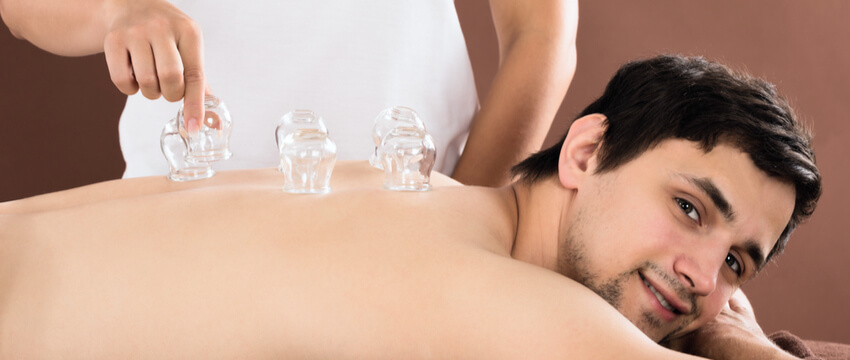

Cupping therapy bruises are a common and expected part of many cupping therapy treatments. These marks can look unusual at first, often appearing as purple marks or circular patches on the skin.
Despite their appearance, these bruises are usually not a sign of injury. Instead, they are linked to how the suction created during cupping affects the body’s surface and underlying tissues.
Understanding why these cupping marks appear can help reduce concern and make the process easier to follow.
How Cupping Therapy Works
Cupping therapy is a technique that has been practised for many years in different forms of alternative medicine. It involves placing cups on the skin to create a vacuum effect.
There are two main approaches:
- Dry cupping, where only suction is used
- Wet cupping, which involves controlled bleeding under specific conditions
Both methods aim to improve blood flow and support overall health, although they differ in technique.
Why Bruises Form During Cupping
The marks seen after a cupping therapy session are caused by changes in tiny blood vessels beneath the skin.
As suction is applied, these small vessels can expand or break slightly. This allows blood to move closer to the surface, creating visible bruises.
These bruises are not the same as injury-related bruising. They reflect how the body responds to the treatment and the movement of stagnant blood within the area.
In many cases, the colour and intensity of the marks depend on the level of muscle tension or muscle tightness present before the session.
What Cupping Marks Can Indicate
Cupping marks can vary in colour, from light red to deep purple. Some practitioners believe that darker marks may relate to areas of myofascial pain or restricted blood circulation.
These areas may also be linked to common concerns such as:
- Neck pain
- Shoulder pain
- Chronic stiffness or tension
- Headaches or migraines
While these interpretations are part of traditional practice, modern research is still exploring the exact mechanisms behind these effects.
Are Cupping Therapy Bruises Normal?
Yes, cupping therapy bruises are considered normal for many people. They are a natural result of the suction process and usually do not cause significant discomfort.
Most people describe the sensation during treatment as mild pressure rather than pain. After the session, there may be some soreness, similar to what is felt after a massage or physical therapy session.
The marks typically fade over several days as the body clears the pooled blood and begins the healing process.
How Long Do The Bruises Last?
- Skin sensitivity
- Blood flow and circulation
- Overall health and healing capacity
As the body reabsorbs the blood under the skin, the colour gradually changes before disappearing completely.
Potential Benefits Linked To The Process
Some people seek cupping therapy for its potential benefits, particularly for managing muscle tension and promoting relaxation.
The suction may help:
- Release tension in tight muscles.
- Improve blood flow and oxygen delivery.
- Reduce inflammation in certain areas.
- Support recovery from physical strain.
Cupping is sometimes used alongside other methods such as acupuncture, dry needling, or massage as part of a broader therapy plan.
Differences Between Dry And Wet Cupping
Dry cupping is the more common approach and involves only suction. It is generally considered simple and comfortable.
Wet cupping includes a step where small, controlled bleeding occurs. This method is less commonly used and may carry additional risks, such as skin infections, if not performed carefully.
Both approaches aim to support circulation and relieve tension, but the choice depends on the practitioner’s technique and the individual’s needs.
Safety Considerations And Risks
While cupping therapy is widely practised, it is important to be aware of potential risks.
Some people may need to avoid cupping, including those with:
- Bleeding disorders
- Certain skin conditions
- A higher risk of skin infections
Temporary side effects can include bruises, soreness, and mild discomfort. These are usually short-lived.
If any unusual symptoms occur, it is best to seek advice from a qualified health professional.
What Research Says About Cupping
Research into cupping therapy is ongoing. Some studies, including findings discussed in systematic review articles, suggest that cupping may help with pain relief and muscle relaxation.
However, the exact mechanisms are not fully understood. More research is needed to confirm how cupping affects blood flow, fascia, and deeper tissues.
For now, cupping is often viewed as a complementary treatment rather than a primary solution.
Preparing For A Cupping Therapy Session
Before a cupping therapy session, it is helpful to understand what to expect.
The practitioner will place cups on specific areas of the body based on your concerns. These may include regions affected by stiffness, tension, or chronic pain.
The session usually lasts a short period, and most people find the process comfortable.
Afterwards, the marks may appear quickly, which is a normal part of the treatment.
Aftercare And Recovery
After cupping, simple care steps can support the healing process.
It may help to:
- Keep the area clean and protected.
- Avoid excessive heat or cold on the treated surface.
- Stay hydrated to support circulation.
The body’s natural processes will gradually clear the marks as part of normal healing.
Final Thoughts On Cupping Therapy Bruises
Cupping therapy bruises can look unusual, but they are generally a normal response to the treatment. They reflect how the body reacts to suction and changes in blood flow.
For many people, the process is linked to relaxation, reduced muscle tension, and a sense of overall well-being.
Understanding what these marks mean can make the experience clearer and help set realistic expectations for the treatment.
If you are concerned about cupping therapy bruises or want to better understand what to expect from treatment, you can get in touch with us anytime at Wayne Massage.
Call us today at:
- Hunter Shop: (02) 8073 9376
- Townhall Shop: (02) 8073 9382
- Haymarket Shop: (02) 8073 8390
- Mobile: (04) 1087 8827
Resources
“Marcin, A. and Hoshaw, C. (2023). ‘What Is Cupping Therapy?’. Healthline, 13 July. San Francisco, CA: Healthline Media. https://www.healthline.com/health/cupping-therapy”
“Cleveland Clinic (2023). ‘Muscle Stiffness’. Cleveland Clinic, 20 July. Cleveland, OH: Cleveland Clinic. https://my.clevelandclinic.org/health/symptoms/25147-muscle-stiffness”