

Understanding the difference between remedial and relaxation massage can help you make an informed choice about which type of massage is useful for your needs and preferences.
While both approaches aim to improve your overall health, they differ in purpose, technique, and outcome. Each offers specific benefits that contribute to your relaxation in distinct ways.
This article will explore the key differences between remedial and relaxation massages, outlining their purposes, techniques, and what to expect during each session.
What Is Massage Therapy?
Massage therapy is a hands-on practice that entails manipulating the soft tissues of the body. This includes muscles, tendons, ligaments, and connective tissue. It is used for a range of purposes such as relieving muscle tension, promoting relaxation, improving circulation, and supporting better health.
Different types of massage have been developed over time to suit varying needs. Common types are remedial and relaxation massages, which share similarities but also differ in intent and technique.
 What Is a Remedial Massage?
 What Is a Remedial Massage?
Remedial massage is a clinical approach to massage therapy designed to assess, treat, and manage muscle and joint issues. It involves a qualified remedial massage therapist thoroughly evaluating your condition and making a treatment plan tailored to your specific needs.
Techniques such as deep tissue massage are commonly used to help relieve muscle tension, enhance mobility, and support the healing process of soft tissues.
Purpose of Remedial Massage
Remedial massage aims to assess and address specific muscular or soft tissue dysfunction areas. It focuses on identifying the underlying reason for tension, imbalance, or restricted movement that may arise from factors such as repetitive strain, postural problems, sports-related issues, or tight muscles.
Through a structured and clinical approach, the remedial massage therapist evaluates affected areas and applies targeted techniques to support the restoration of normal tissue function and mobility.
Key Benefits of Remedial Massage
A remedial massage can offer a range of recognised outcomes that contribute to physical comfort and improved movement.
These may include:
- Addressing muscle tightness and stiffness through targeted techniques applied to affected soft tissues.
- Supporting healthy blood flow, which plays a role in the body’s natural recovery processes.
- Improving joint mobility and flexibility by working on areas of restricted movement.
- Assisting with discomfort that may be related to acute or chronic pain conditions.
- Encouraging relaxation and stress management through focused muscular treatment and controlled pressure.
Each session is guided by a clinical approach tailored to the individual’s presentation. The aim is to restore balance and functionality within the body’s musculoskeletal system.
What Is a Relaxation Massage?
A relaxation massage, often referred to as a Swedish massage, is designed to help you de-stress and unwind. It is a gentle massage that uses flowing strokes, circular movements, and gentle pressure to promote relaxation and overall health.
Unlike remedial massage, which focuses on specific problem areas, relaxation massage provides a soothing experience that helps calm the nervous system.
Purpose of Relaxation Massage
A relaxation massage induces relaxation, reduces stress, and supports overall health. Slow, rhythmic motions encourage lymphatic circulation, improved blood flow, and a sense of tranquillity.
Relaxation massages are ideal for anyone seeking to unwind, recover from everyday pressure, or enjoy a soothing environment enhanced by soft lighting or music.
Key Benefits of Relaxation Massage
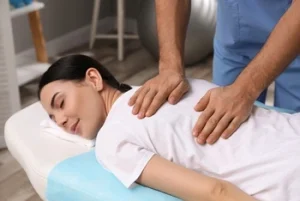 A relaxation massage offers several recognised advantages that support comfort and general health. These may include:
- Encouraging physical relaxation by easing muscle tension and promoting a sense of calm throughout the body.
- Supporting sleep quality through techniques that help the body unwind and prepare for rest.
- Enhancing blood circulation and oxygen delivery to the muscles and tissues.
- Providing a gentle, restorative experience that can help reset the body after periods of physical or mental strain.
Each session is designed to create a steady, soothing rhythm that allows the body to decompress naturally, contributing to an overall sense of balance and relaxation.
How Remedial Massage Works
A remedial massage typically begins with a comprehensive assessment by a qualified therapist. This evaluation helps identify areas of muscular imbalance, restricted mobility, or tissue irregularities contributing to discomfort or movement limitations. Common focus areas can include the neck and shoulder muscles, lower back, or other regions experiencing accumulated tension.
Based on the findings, the therapist develops an individualised treatment plan that may include different massage techniques.
These methods are applied with precision to address specific soft tissues and assist in restoring normal function, promoting structural balance, and supporting the body’s natural recovery processes.
How Relaxation Massage Works
A relaxation massage centres on creating a calm, restorative environment through gentle, rhythmic techniques that help the body and mind settle into a state of ease.
During the session, the massage therapist typically applies long, flowing strokes and circular movements over the body’s superficial layers, encouraging the nervous system to slow down and release built-up tension.
Unlike remedial massage, which targets specific areas of concern, relaxation massage provides a holistic experience supporting overall balance.
The steady rhythm and soothing pressure foster a sense of stillness, enhance overall relaxation, and contribute to a greater feeling of equilibrium throughout the body.
Can Both Be Combined?
Yes, it is common for massage therapists to integrate elements of both remedial and relaxation massage within a single session.
This combined approach allows the therapist to apply targeted techniques to address muscular tension while incorporating gentle, flowing strokes that encourage the body to unwind.
Blending these methods can create a balanced experience that supports both the functional aspects of muscle care and the calming qualities of relaxation massage.
The specific combination will depend on your needs, the treatment plan, and the therapist’s professional assessment.
Regular Massage and Its Long-Term Benefits
A regular massage routine can help sustain blood circulation, support the immune system, and assist with the ongoing management of stress-related symptoms. Consistent care may contribute to better health and overall relaxation.
Frequently Asked Questions
Is remedial massage painful?
A remedial massage can involve deeper pressure, but your therapist will always adjust the intensity to suit your comfort level. Communication is essential for an effective, comfortable session.
How often should I have a massage?
This varies depending on your lifestyle, stress levels, and needs. Some people benefit from a regular massage every few weeks, while others may prefer occasional sessions for improved relaxation.
Is there any preparation required before a massage session?
Before your session, it’s helpful to wear comfortable clothing and communicate any areas of concern, sensitivities, or preferences to your massage therapist. This ensures the treatment is adjusted to your comfort and individual requirements.
Is it normal to feel sore after a remedial massage?
Mild soreness may occur after a remedial massage, especially if deep tissue or trigger point therapy techniques were used. This response typically subsides within a day or two as the body adapts to the treatment.
Conclusion
 Choosing between a remedial massage and a relaxation massage depends on what you’re seeking, whether it’s targeted pain management or simply time to relax and unwind. Both offer significant benefits for your body, mind, and overall health.
By understanding the difference between remedial and relaxation massage, you can select the type that aligns with your current needs and long-term goals for better health and relaxation.
Whether you’re considering remedial or relaxation massage, our qualified team can assess your needs and recommend a suitable approach.
To book an appointment or learn more about our available massage services, contact Wayne Massage at:
- Hunter Shop: (02) 8073 9376
- Townhall Shop: (02) 8073 9382
- Haymarket Shop: (02) 8073 8390
- Mobile: (04) 1087 8827
References
Berman, R. (2020, September 30). Massage Measurably Reduces Stress. Medical News Today. Retrieved November 3, 2025, from https://www.medicalnewstoday.com/articles/massage-measurably-reduces-stress
Cherney, K. (2022, January 20). What Are the Health Benefits of Swedish Massage? Healthline. Retrieved November 3, 2025, from https://www.healthline.com/health/benefits-of-swedish-massage
Healthdirect Australia. (2025, June). Massage Therapy Guide. Healthdirect. Retrieved November 3, 2025, from https://www.healthdirect.gov.au/massage-therapy